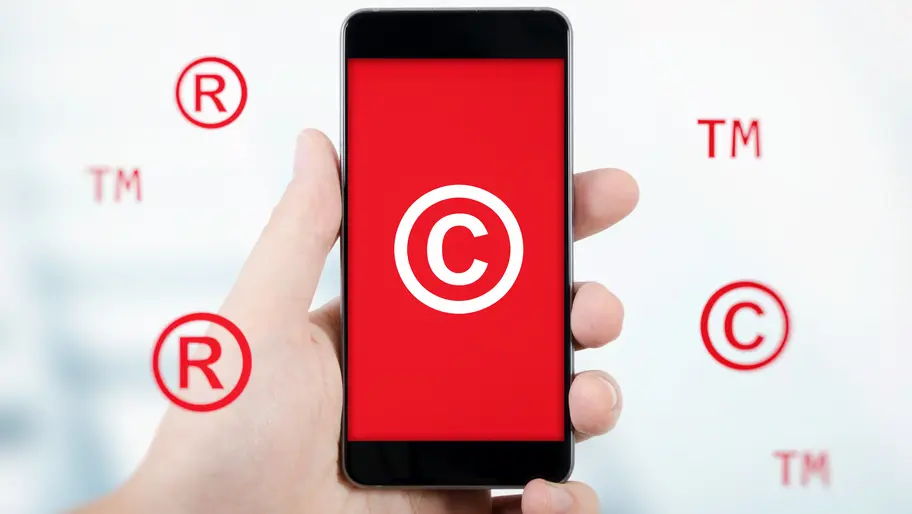
Protecting your business from the consequences of advertising errors
Advertising is a powerful tool, but even a small misstep can create major problems for your business. Whether it's the unauthorized use of a photo, or a slogan that’s too close to a competitor’s, the consequences of advertising errors can be costly and long-lasting. Understanding how these mistakes happen and how to prevent them is critical for protecting your brand.
Why advertising errors happen
Advertising mistakes occur for many reasons. Small businesses often work with limited resources and may lack formal review processes. Rushed timelines, inexperience with marketing compliance, or simply trying to stand out in a competitive market can lead to advertising errors.
Below are some common advertising errors.
- Using copyrighted material without permission.
- Infringing on another company’s trademarks.
- Copying someone else’s idea for a marketing campaign, logo or slogan.
- Messaging that defames a competitor.
While these mistakes might seem minor, the legal and financial consequences can be significant.
Understanding the consequences of advertising errors
Not all advertising-related issues are treated the same. While insurance may help with some types of claims, it generally does not cover accusations of false advertising. That means if your ad is found to mislead consumers—even unintentionally—you may be responsible for any penalties or damages. However, general liability insurance policies often do cover claims involving copyright or trademark infringement and libel or slander, which are more common than many businesses realize.
The consequences of advertising errors range from reputational damage to lawsuits for copyright infringement or libel. A single misstep can erode customer trust, attract public criticism, and even trigger legal complaints from competitors.
An advertising injury like copyright infringement doesn’t need to be intentional. If you use a tag line because you think it sounds good, or you design a logo you like, you may not even realize that it’s close to someone else’s copyrighted material. But even if your mistake was unintentional, the resulting lawsuit could be very real.
How liability insurance helps
Mistakes happen—even with the best intentions. That’s why it’s essential to have protection in place. A general liability policy can provide coverage for legal defense, settlements, and related costs that arise from advertising disputes.
This type of insurance can help cover these kinds of situations.
- Defamation or libel claims from ad content.
- Infringement of intellectual property in marketing materials.
- Copyright or trademark infringement.
To learn more about policy options that cover advertising-related risks, explore Hiscox’s general liability insurance coverage. General liability also covers other risks like someone else’s claim of bodily injury or property damage.
What’s covered: copyright, trademark, and libel claims
Many small business owners assume their advertising is protected as long as they don’t make false claims—but that’s not the case. False advertising isn’t typically covered by liability insurance. What is covered are “advertising injuries,” which may include the following:
- Copyright infringement: Accidentally using a photo, jingle, or design that belongs to someone else.
- Trademark infringement: Creating a name, logo, or slogan that’s too close to another company’s protected brand.
- Libel or slander: Publishing an ad that disparages a competitor and harms their reputation.
If a claim is made against your business for one of these issues, general liability insurance can help cover your legal defense, even if you didn’t mean any harm.
Best practices to avoid advertising mistakes
Prevention is your first line of defense. Here are some best practices to help reduce your risk.
- Implement a formal content review process for all marketing materials.
- Verify all claims with data or documentation.
- Use royalty-free or properly licensed imagery and media.
- Do an online search of potential taglines, using all variations.
- Review competitors’ advertising to make sure yours cannot be confused with theirs.
Investing in compliance education and legal reviews may seem costly up front, but it can save your business from much larger issues down the road.
For more on insurance solutions for businesses of all sizes, visit Hiscox’s small business insurance solutions.
Conclusion
No business is immune to errors, especially when it comes to fast-moving advertising campaigns. But with the right preventative steps, awareness, and insurance in place, you can protect your business from the consequences of advertising mistakes and move forward with confidence.
Get a quote today and protect what you’ve worked so hard to create: Hiscox small business insurance.
Frequently asked questions
What are the most common advertising errors small businesses make?
Some of the most frequent advertising errors include infringement of copyright or trademarks, and missing disclaimers. These errors can occur due to tight deadlines, lack of experience, or poor review processes, especially in smaller businesses with limited resources.
What are the legal consequences of advertising errors?
Legal consequences may include civil penalties, lawsuits, or cease-and-desist orders. In addition to direct costs, your business may suffer reputational damage that affects future customer trust and sales.
How can I protect my business from the consequences of advertising mistakes?
Protecting your business starts with prevention. Review all marketing materials carefully, train your staff in advertising standards, and seek legal advice when necessary. Consider purchasing errors and omissions insurance to cover legal expenses and damages if your business is ever accused of an advertising-related error.
Related Articles
Cyber security 101: How to keep your business data safe
Though cyber incidents continue to grow, having good cyber hygiene can go a long way toward protecting your data. Use this step-by-step guide to the basics of cyber security for small businesses
Defend your business
How To Protect Your Business With Additional Insured Status
If a person or an entity is not included automatically in an insurance policy, the policyholder can add the individual or organization if necessary. Additional insured status protects another party that has a working relationship with the policyholder or performs services on the policyholder's behalf.
Read More
Event planner insurance: The security you need to balance risks
As an event planner, it’s imperative to bring the same eye for detail to protecting your business as you do for your clients’ events. See what types of insurance policies are best for event planners.
Read MoreWe provide tailored insurance for the specific risks you face, so you can take the right risks to grow your business.
Subscribe to the Hiscox Entrepreneurial Digest on LinkedIn


Get valuable business resources, timely tips and inspiring success stories in your LinkedIn feed every month.