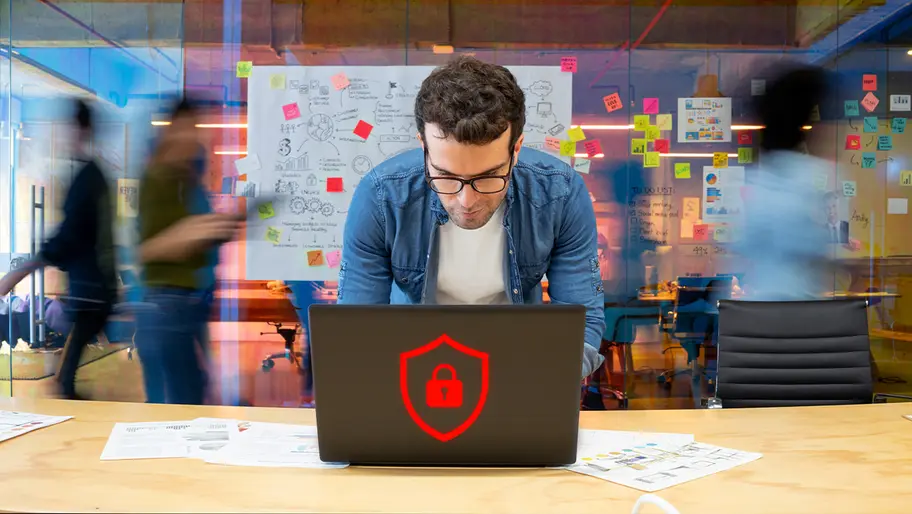
Cyber hygiene for small businesses
Cyber criminals are becoming bolder and more efficient all the time.
Cyber threats are rising, and protecting your digital assets is just as important as safeguarding your physical space and reputation.
As businesses increasingly rely on online platforms, customer data, and cloud tools, practicing strong cyber hygiene isn’t optional—it’s essential.
Why cyber hygiene matters for entrepreneurs
Cyber hygiene is the digital equivalent of washing your hands—simple, preventive measures that dramatically reduce your risk of infection.
For small businesses, cyber hygiene means consistently applying basic security practices that protect your systems, data, and reputation. These include updating software and devices, using strong passwords and multi-factor authentication, backing up files securely, and educating employees to spot phishing and social engineering attempts.
The stakes are high. A single cyberattack can disrupt operations, compromise sensitive customer information, and erode trust.
That’s why it’s so important for small businesses to audit their digital defenses, close security gaps, and reinforce team-wide awareness before threats escalate.
Quick wins for better cybersecurity
You don’t always need an enterprise-level IT team to protect your business. Here are actionable steps to help boost cybersecurity quickly.
- Update software and systems. Outdated software is a common entry point for hackers. Enable automatic updates wherever possible.
- Enforce strong password management. Require multi-factor authentication (MFA) and encourage the use of password managers.
- Train employees regularly. A cybersecurity awareness program can help staff spot phishing emails, suspicious links, and social engineering tactics.
- Back up critical data. Store backups in secure, offsite, or cloud environments to prevent data loss during ransomware attacks.
- Segment networks. Separate sensitive business data from guest Wi-Fi or less secure systems to reduce exposure.
These steps form the foundation of effective cyber hygiene and demonstrate your business’s commitment to cybersecurity awareness.
How cyber insurance protects small businesses
Even with the best practices, no system is completely immune to attack. That’s where cyber insurance, also called cyber security insurance, comes in. These policies are designed to help businesses recover financially and operationally after a cyber event.
What does cyber insurance cover?
In the event of a covered claim, typical cyber insurance coverage includes:
- costs of notifying customers after a breach
- legal fees and regulatory fines
- data recovery and system restoration
- business interruption expenses
- reutation management and PR support.
In the event of a covered claim, a tailored cyber insurance policy ensures you’re not left footing the whole bill for these types of costs. Small businesses in particular can benefit, as they often lack the reserves to absorb large, unexpected expenses.
Matching coverage to your growth
As your business scales, so do your risks. Entrepreneurs should view cyber insurance as a strategic investment, not just a safety net. Leading cyber insurance companies offer flexible policies designed for startups, retailers, and service providers alike.
When evaluating providers, ask about:
- cyber security insurance requirements specific to your industry
- limits that reflect the value of your digital assets
- coverage for both first-party (your costs) and third-party (customer or partner claims) damages.
By pairing cyber hygiene best practices with the right insurance protection, small businesses can operate with confidence, knowing both prevention and recovery measures are in place.
Get a quote today and protect what you’ve worked so hard to create: Hiscox small business insurance.
Frequently asked questions
What is cyber insurance?
Cyber insurance is a policy that helps businesses cover financial losses and recovery expenses after a cyberattack, data breach, or other digital incident.
What does cyber insurance not cover?
Most policies exclude things like insider fraud, pre-existing breaches, and intentional misconduct. Policy language may vary.
How much does cyber insurance cost for small businesses?
Premiums vary based on your industry, company size, and security practices. A Hiscox cyber security insurance policy can cost as little as $30 a month. (This cost is illustrative. Your cost may vary.)
Do I really need cyber liability insurance if I have a small business?
Hackers often target small businesses because they assume defenses are weaker. Cyber insurance provides a critical safety net if prevention measures aren’t enough.
How much cyber insurance do I need?
The right coverage depends on your digital exposure, customer data volume, and industry regulations. An insurance provider can help assess your specific needs.
Related Articles
Cyber security 101: How to keep your business data safe
Though cyber incidents continue to grow, having good cyber hygiene can go a long way toward protecting your data. Use this step-by-step guide to the basics of cyber security for small businesses
Defend your business
How To Protect Your Business With Additional Insured Status
If a person or an entity is not included automatically in an insurance policy, the policyholder can add the individual or organization if necessary. Additional insured status protects another party that has a working relationship with the policyholder or performs services on the policyholder's behalf.
Read More
Event planner insurance: The security you need to balance risks
As an event planner, it’s imperative to bring the same eye for detail to protecting your business as you do for your clients’ events. See what types of insurance policies are best for event planners.
Read MoreWe provide tailored insurance for the specific risks you face, so you can take the right risks to grow your business.
Subscribe to the Hiscox Entrepreneurial Digest on LinkedIn


Get valuable business resources, timely tips and inspiring success stories in your LinkedIn feed every month.