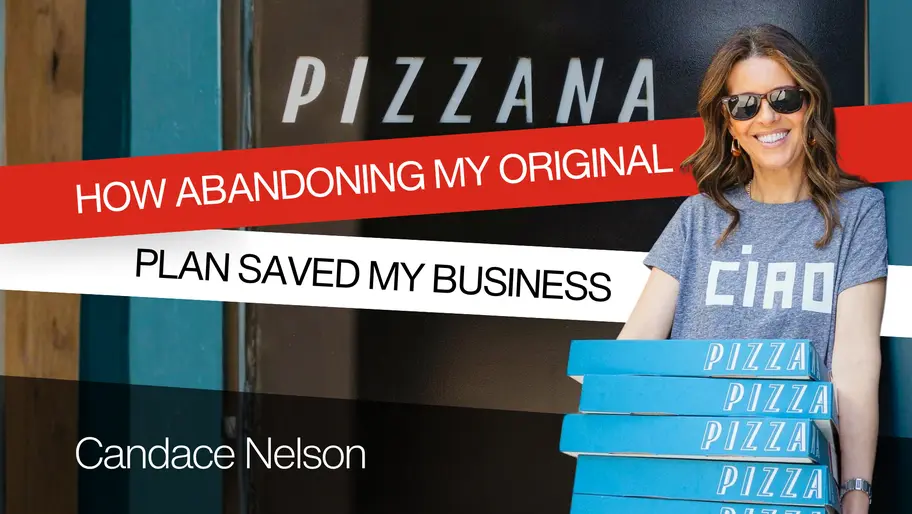
How abandoning my original plan saved my business
Any opinions, views, findings, conclusions, or recommendations expressed in this publication are those of the author(s) and do not necessarily reflect the views and policies of Hiscox.
When we opened our first Pizzana in Brentwood in 2017, we built a temple to our craft — vintage Italian light fixtures, European leather, Calacatta marble and blackened steel. Every decision was thoughtfully considered and made to build the experience around our artisanal Neapolitan pizza. Our approach was sophistiated and austere. Lines formed, the buzz was real, and the “build something beautiful and people will come” philosophy felt bulletproof.
Then COVID hit, and everything changed overnight.
In March 2020, our dining rooms went dark with almost no warning. The model we’d built everything around — the destination experience, the ambiance, the sit-down meal — had nowhere to go. And here’s the irony: even though we were a pizza restaurant, we didn’t consider ourselves a takeout place. Neapolitan pizza was fragile — we wanted our customers to taste it fresh out of the oven, and so we didn’t even offer takeout for the first eight months in business. Suddenly we had to become something completely different, almost overnight.
We’re opening our ninth location this year.
Here’s what getting there taught me
1. Fall in love with the mission, not the method
When our dining rooms went dark, I remember standing in our empty Brentwood restaurant thinking about every detail we’d agonized over — and realizing that none of it mattered if we couldn’t keep the doors open. So we restructured fast, making decisions in days that would normally take months. We built out delivery, created family meal packages, launched pizza kits people could finish at home. For months we weren’t a place people came to — we were something that showed up at their door while they were scared and stuck inside. It wasn’t the vision. But it kept us alive and kept many of our team employed, which at that moment was everything. Your original plan was built for a specific moment in time, and markets don’t stay still. The right question isn’t how do we protect what we built? — it’s what are we actually trying to deliver, and what’s the smartest way to do that right now?
2. Comfort is the enemy of growth
When restrictions lifted, I assumed we’d return to something resembling what we had before. That didn’t happen. Lunch crowds didn’t come back. Commuting patterns had changed. Consumer habits had shifted permanently. The mistake would have been waiting for things to go back to normal — instead we accepted that normal was gone and rebuilt around the new reality. We added bars and happy hours, launched a loyalty program, filled our calendar with trivia nights, chef collaborations, and community dinners. We became the neighborhood spot people returned to all week long — not just for a special occasion. We overhauled our real estate strategy, prioritizing smart efficient growth over impressive buildouts. Looking back, the businesses that struggled weren’t the ones hit hardest — they were the ones that kept waiting for yesterday to come back.
3. Loyalty outlasts hype
Something unexpected happened during COVID: because we showed up for our customers when they needed us most — delivering to their doors when they were scared and stuck inside — they came to trust us in a way that a great dining experience alone never could have built. When the world reopened, that trust translated into loyalty. Our takeout business didn’t just survive — it soared, more than making up for the lunch traffic we’d lost. People who’d ordered from us out of necessity had made us part of their routine. Being the exciting new restaurant was no longer enough — and honestly, we didn’t need it to be. Early buzz is a gift, but it has a shelf life. The real work is building something customers choose repeatedly, and sometimes the path to that loyalty looks nothing like you planned. Ask yourself honestly: am I building something people will love once, or something they’ll return to again and again?
4. Know your non-negotiables
Through every pivot — the COVID restructure, the post-pandemic rebuild, the shift in our real estate strategy — one thing never changed: the quality of our food. We’ll rethink the hours, the model, the entire approach to growth before we touch the San Marzano tomatoes or compromise on our 48-hour dough rise. Figure out what you’ll never budge on, and be ruthlessly flexible about everything else. That clarity becomes your anchor when everything else is in flux.
The hardest thing about entrepreneurship isn’t starting. It’s being willing to let go of the version of your business you fell in love with — and trust yourself enough to build something better in its place.
Related Articles

Do you need a business license?
Starting a business is a busy and exciting time. But you may be wondering if you need a business license, and if so, what kind of business license. Here are some of the licenses a new business might need.
Read More
6 steps to becoming a successful CrossFit gym owner
If you have a love of fitness or are interested in CrossFit, discover what's needed and required to open your own CrossFit gym - including affiliation requirements and fees.
Read More
The Starting a Business in California Checklist
Starting a business in California can be exciting. To hit the ground running, it is important for you to complete certain steps so that your business is set up legally and protected from the day you open your doors. If you are planning to move to the Golden State to open your small business, here is a checklist to help you make sure that you have taken care of everything.
Read MoreWe provide tailored insurance for the specific risks you face, so you can take the right risks to grow your business.
Subscribe to the Hiscox Entrepreneurial Digest on LinkedIn


Get valuable business resources, timely tips and inspiring success stories in your LinkedIn feed every month.