Sales Training: Merit Kahn's Journey from Coaching to Comedy



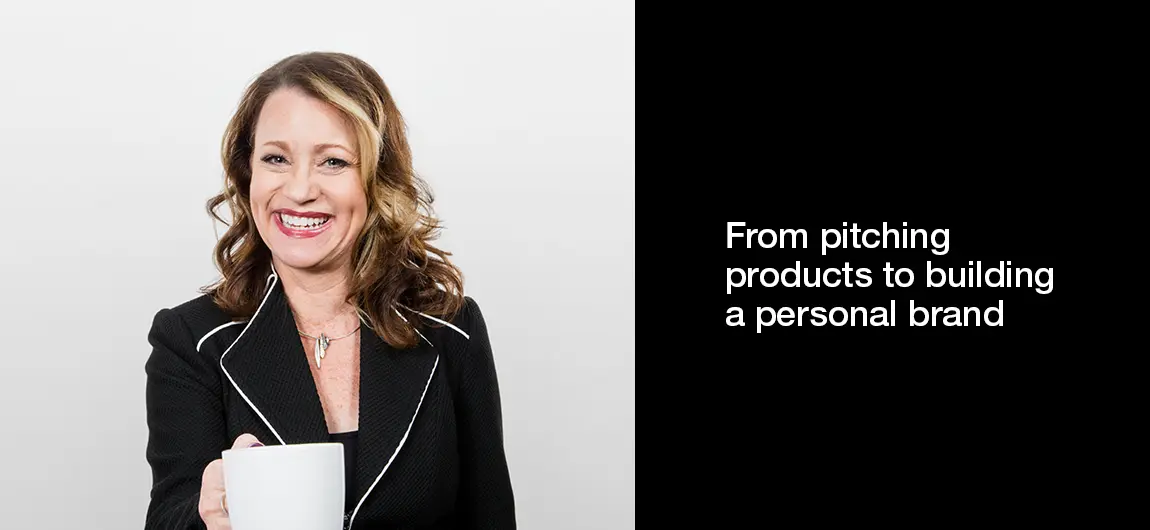
Merit Khan has been an entrepreneur for as long as she can remember. Her first taste of business came as a young girl selling greeting cards door-to-door, an early lesson in the power of connecting with people. Over the years, that spark grew into a full-fledged career built on her ability to engage, inspire, and persuade. Today, Merit is not only a successful entrepreneur but also a sought-after keynote speaker, accomplished sales trainer, and stand-up comedian.
View transcript
Sales Training – Merit Kahn, Comedian and Sales Trainer
[00:00:00] Sanjay Parekh: Welcome to The Side Hustle to Small Business Podcast, powered by Hiscox. I'm your host, Sanjay Parekh. Throughout my career, I've had side hustles, some of which have turned into real businesses, but first and foremost, I'm a serial technology entrepreneur. In the creator space, we hear plenty of advice on how to hustle harder and why you can sleep when you're dead.
[00:00:22] On this show, we ask new questions in hopes of getting new answers. Questions like, how can small businesses work smarter? How do you achieve balance between work and family? How can we redefine success in our businesses so that we don't burn out after year three? Every week I sit down with business founders at various stages of their side hustle to small business journey.
[00:00:43] These entrepreneurs are pushing the envelope while keeping their values. Keep listening for conversation, context, and camaraderie.
[00:00:56] Today's guest is Merit Kahn, a comedian and sales trainer based in Colorado. Merit, welcome to the show. Well, thank you Sanjay. I am happy to be here, so I'm excited to have you on because I think you might be our very first comedian. Woo. That's been on the show. Actually, no. You know what? I take that back. I think we've had some other folks that have done standup comedy as well. Maybe not as a full-time gig. And you're not a full-time gig either. It does, it seemed like it's a part-time gig. Multiple part-time gigs kind of all making a full-time thing. But before we start diving into all of that stuff and me just giving away your entire background, why don't you tell us about a little, about your background and what got you to where you're today.
[00:01:37] Merit Kahn: Okay, well I come from a family of sales professionals. Dad sold advertising. Mom sold real estate. Grandfather had a used car lot. My grandmother sold Avon, so it was never really a question of what is Merit going to do? It was. More question of what is Merit going to sell? So I ended up opening up a sales and sales management training, coaching consulting company after starting in media advertising sales, working in radio. And I am really glad I had that experience because. You know, nothing happens until somebody sells something. So whatever I ended up doing in my life and certainly helps for what I'm doing now, I had to understand the basics of the sales process and sales communication and strategy and all of that stuff.
[00:02:23] So I ran my sales and sales marketing. A sales management training company for over a decade. I still do a bit of coaching, consulting and speaking. I am often invited as a keynote speaker, breakout speaker for conferences on sales related topics. And so I did that pretty much my entire career. Got certified in emotional intelligence. So I added that to the mix. And then for my 50th birthday, I wrote a one woman inspiring comedy show. And I thought I was just going to per, like, perform at one time as a big party for my friends, a birthday thing. And I had so much fun and I put my heart and soul into that, that people were absolutely blown away.
[00:03:12] And, I knew right then I couldn't make this a one night only experience. So that was November of 2019. So my plans to tour that and take that on the road, were, you know, squashed with COVID and once everything started coming up, opening up again, I realized I, I really want to do something with my show. Then a friend of mine started a brand called Moms Unhinged. It's a standup comedy troupe of all mom comedians, and now we are touring the country, selling out theaters, big theaters of mostly mom audiences and a few very brave men. And I'm just having a blast touring as a standup comic, and now I'm venturing into something new with touring my own show. And so that's been my entrepreneurial journey. But always on a stage of some sort, whether it was a training stage, a keynote stage, or a theater stage. So that's what I do.
[00:04:16] Sanjay Parekh: So I gotta ask very first thing that you ever sold probably as a kid. What was that? Do you remember what it was?
[00:04:24] Merit Kahn: Yep. Greeting cards. I had a little greeting card company. I went door to door and my parents gave me one of those, like greeting card kits or something. It was like, you know, it was like a you rub over with the crayon the, you know, the relief thing and you had like these different things. And so I packaged them up and I had nice little bows and I was this cute little girl and I would knock on doors and say. You know, would you like to buy some homemade greeting cards? You know, everybody feels better when they get a handmade greeting card. And and I sold greeting cards door to door.
[00:05:05] Sanjay Parekh: So so this is so interesting because. I actually sold greeting cards door to door. What? That's crazy. But it was through, it wasn't handmade. It was, I signed up at the back of a comic book and they were custom imprinted holiday greeting cards. And so this was back in the eighties when you, like you couldn't make these at home or anything, right? And so you were ordering in the summertime for your holiday greeting cards. You know that the end of the year. And so I was going door to door selling these things and then I had to you know, get the order in and then, you know it was a whole, it was a whole ordeal to get it all done and stuff.
[00:05:42] But so I gotta ask you about that because I feel like door-to-door sales, it's unfortunately not a thing anymore. And unfortunately, I mean, I guess it's fortunate for those of us that have homes that only bothered by the knocking. But it's unfortunate for the kids that don't have this chance to have this experience. Like, do you remember some of those times of knocking on doors and what happened? Like, do any of them stand out to you? Even now, so many years later.
[00:06:08] Merit Kahn: Gosh, that's a, I haven't thought about those years for a really long time. I would say more recently than that I was the, I was a Cub Scout troop leader for my son, and they would go door to door and do the popcorn sales. And I, I don't recall any standout negative opportunities, you know, where he's in his little uniform we're together. So it's not like he's, you know, real threatening. So people generally tend to open the door for the kid and the mom. Like that wasn't like, oh my gosh, what are we going to like take over?
[00:06:43] Like, there's nothing threatening about that. But what I remember teaching him was to pre-sell the next year. So it was like, thank you so much for this order. Are you open to it? If I mark it down on my sheet that you. You would love, you would like to repurchase this for next year because certainly between now and when you get your order and the following year, I mean, you're going to eat, you know, three bags of popcorn. Right. You know, like, so you'll probably want to reorder next year. And people were not expecting that. That was something, I mean, you know, I did the Girl Scout cookie sales, although there's an interesting story. Our troop leader ran away with the money. I'm sorry if there's any girl Scout enthusiasts on the call. But I was devastated because I of course won the most, you know, cookie sales and I was really excited. We had this whole word thing when getting my badge or whatever. We had this thing planned in our little area and she didn't show up. And Yeah. Came to find out she skipped down with the money and I'm like, wow.
[00:07:54] Sanjay Parekh: Yeah, it was crazy. Wow. That is not what you expect out of a Girl Scout's troop leader there, but that's so sad.
[00:08:00] Merit Kahn: I'm sure it's a, you know, still a wonderful organization. Just one bad apple, you know, one bad apple.
[00:08:07] Sanjay Parekh: I mean, I, you know, I will say like, I remember the times when I rang the doorbell and then
[00:08:12] the mom inside was upset because I woke up the sleeping baby, and then I was still trying to sell the cards. I don't think I made that sale, by the way. But I think it, it teaches you a lot about being able to sell in the face of kind of adversity, right? Like things are going wrong, and yet you still have to be like, Hey, I've got these things that I want to sell you.
[00:08:33] Yeah. So it, I think it's a great opportunity for entrepreneurs to think about in terms of. You know, how do they think about doing sales for folks like this? But let's move back to kind of you and kind of the entrepreneurial ventures that you've had. So you worked at a radio station for a while.
[00:08:54] When was it that you decided to kind of go out on your own and what precipitated that that event?
[00:09:00] Merit Kahn: Yeah I worked in radio from 91 to 2000, sorry, to 98, and I was always on a hundred percent commission plan, so I have never had a salary in my life I've always created my own opportunities, created my own income you know, got paid in accordance to how hard I happened to be working at that moment in time. And in radio. You know, the inventory is time. So the radio station was being sold. Now in radio you make money in two ways so you can sell the advertising and all of that on that side of the house. But the real big dollars are selling the real estate on the dial. So I happened to be working for a radio station at that time.
[00:09:49] I was a sales manager and the station was called personal Achievement Radio. And we sold hit ideas. We played, hit ideas like a music station would play a hit song. I thought it was a fabulous concept and it really married everything I loved because I'm all about the inspiration and the motivation and cheerleader and like, I love that stuff. So we had a deal with Nightingale Conant and they made all those tapes. I'm dating myself now, you know, cassette tapes back in the day, so. When the radio station property was sold. I had an opportunity to say, okay, well am I going to just work for another radio station or is it time to do something else?
[00:10:32] And I happened to have worked. I was in sales training classes as a participant and as a sales manager for the radio station. I was in the management course and I put all of my salespeople through this particular sales methodology. And the guy who was doing that training happened to be in somebody that I used to work for in the radio business. So we had a relationship and he knew I was a great salesperson and he was ready to expand on his training company. And so he said, you know, well why work in radio? You know, like, why don't you come work with me and let's build this, you know, sales training company? And I thought, well, that sounds fun. And he sort of brought me on as a 10 99. So basically I, that was, I had my own business. I was responsible for, you know, it was a hundred percent commission and, but I had his thing to sell and so that was helpful for me and that really began my entrepreneurial journey.
[00:11:34] Sanjay Parekh: Yeah. So when was it that okay, so you started this and you still had a thing to sell, right? Like somebody else's thing? Yeah. When was it that you made a move? To your own thing completely.
[00:11:47] Merit Kahn: So in 20 2008 we moved from Chicago to Colorado and that was when I cut ties completely with that sales training organization and thought, you know, I can build a better mousetrap. At that point, I had a decade of sales management, training, coaching, consulting under my belt, and I had started to see some of the things that were not working as well with that particular methodology and things that I would change. And so when I moved to Colorado, I opened up my own business and that was when I really, you know, started growing my own training program. And I knew that I didn't want to do it exactly the same way that I had done it before.
[00:12:36] At this point, I'd already been hired as a professional speaker, keynoter, and so I really kind of wanted to shift the business model. So it was more of a speaking business. And then the training and the coaching supported, you know, was an additional revenue stream as opposed to leading with training and then getting a few speaking engagements. So I kind of flipped it, and that was really my own secret sauce, and I called it Merit-based business.
[00:13:03] Sanjay Parekh: Yeah. Well, so why that approach? Why make speaking the main thing versus training the main thing?
[00:13:11] Merit Kahn: You know, at that point I really discovered that I loved the big stages. I loved being that person that would just sort of open somebody's mind to a new possibility of what they could do.
[00:13:24] And as a keynoter you mostly what you want to do is just sort of inspire that change, inspire that that. That shift in belief that has you in action doing something a little different to create a new possibility. As a trainer, I was seeing the same people over and over again, teaching them something very specific and very detailed and very actionable, and that was great, but I really felt the pull to bigger stages and to have a, an opportunity to influence others that more was possible. And that was really what drove that. And, you know I'm pretty good at it, so.
[00:14:13] Adam Walker: Support for this podcast comes from Hiscox committed to helping small businesses protect their dreams since 1901. Quotes and information on customized insurance for specific risks are available at Hiscox.com. Hiscox business insurance experts.
[00:14:34] Sanjay Parekh: So when you started this, like how did you get going? Right? Like starting from scratch again? You've moved to a new location. Did you have the contacts from before? Were you using the contacts from before? Did you start from scratch? Like how did you approach this as building this brand new business?
[00:14:52] Merit Kahn: Yeah, great question. So I've just always been a big believer in you know, just getting out in the marketplace. Let people see you, experience you. So I did a lot of you know, show what I call showcase programs. So I would do I guess you could call it like a free marketing talk, but I was very strategic in the places that I wanted others to see me.
[00:15:17] And so I did a lot of showcases. At that point I had relationships with speakers bureaus and they would hire me and send me out on opportunities. And so I worked those relationships. I was always very good at taking my existing relationships and letting them know, like. Here's what I got going on. Who do you know in Colorado? Who do you know that does that works for an association as an event planner? So I've always been very good, naturally at just developing further the relationships that I had built. And that was really my focus at that time. You know, it's not, I was not at all distracted.
[00:16:00] I mean, really, social media wasn't really the thing then, you know, and we had Instagram when I moved and started that business. So it wasn't a digital strategy, it was always very much a relationship strategy.
[00:16:15] Sanjay Parekh: Yeah. Was there anything that made you nervous about doing this? This is the first time kind of really on your own and it's all on your shoulders at this point. There's no product to sell. There's no certain it's your stuff. Right? Anything that made you nervous, and if so, how did you get over that for yourself?
[00:16:32] Merit Kahn: I mean, I'd be lying if I said I wasn't nervous. You know, I think every entrepreneur is nervous because of course you're taking on you're taking on risk, but I minimize the risk.
[00:16:44] So instead of, you know, paying rent for a training center and all those things, you know when I switch the business model to focus as a speaker. Really, I didn't have much overhead, so that, that was helpful in taking down some of the nervousness I had about that. I knew at that point that I was, I had a good long history of creating something out of nothing, and I knew that the work and effort involved in building and developing those relationships and making those connections. But I, you know, I was married at the time and I was the primary breadwinner, so I didn't have a lot of bandwidth or room for failure. I really needed to get this up and running quickly. You know I was smart. I've always been smart about my money though, so I always, I had plenty of cash reserves so that I knew that there would be a ramp up period and I adjusted my revenue goals so that I could develop and spend the time to really cultivate this new market. But at the same time I knew that I had opportunities coming and I it was the right timing. I planted as best I could.
[00:18:04] Sanjay Parekh: Yeah. How long did it take you from kind of jump of starting this whole thing to getting your first client or getting somebody to pay for services?
[00:18:14] Merit Kahn: It actually didn't really take me that long. I, I am not sure exactly, but I would say within 90 days, I was seeing enough traction that, you know I was feeling good about things and you know, I also had things on the calendar that were generating revenue. So wasn't like I was starting from ground zero, right. I had income coming in because I had speaking engagements that were already booked and so there was revenue there. It was just, I was. I was just sort of changing the model but it didn't take too long to really kind of get settled in that because I, at that point, I knew what to do to build a business.
[00:19:01] I knew what to do to support clients. I had a great reputation, have a great reputation as a good coach and a good sales trainer. I had people that were referring me in this new market. So I stacked the deck as best I could in the beginning.
[00:19:18] Sanjay Parekh: Yeah. So kind of looking back now, you've been doing this for a number of years on your own. You know, this is, to me it's these are always kind of hard businesses because there is no recurring re there's no recurring revenue Right. In your business or is there?
[00:19:33] Merit Kahn: Not so much with the speaking model. Right. Right. That is like, you know, sell it, get paid well, and then go out and get the next gig.
[00:19:42] There are certainly some things that many of my professional speaking colleagues do have done way better than me. Like, you know, selling ongoing services and different things to speaking engagements. But I've never really, I always kinda looked at it like, all of my effort and energy is going into making this thing that you just paid me for the best and I want to get referrals to other groups that I can go in, speak and weave.
[00:20:08] Yeah. So yeah, there's not, that's not a good model for recurring revenue, which is why the coaching and consulting business and the work that I did when I got certified in emotional intelligence and I folded that into the sales process you know, that. That had a lot more of that ongoing revenue coaching, you know ongoing coaching client
[00:20:32] Type of opportunities. And so I've always had some of those in my hopper. I've done retainer deals with companies that, you know, bring me in for whatever their sales challenges are, or I'm working with their whole sales team. And, you know, there's lots of different creative ways that I've worked with companies on a retainer basis and that kind of smooths out the revenue, which is super helpful. Yeah. You know and gives them a lot of flexibility and, you know, they don't always know what they need. So sometimes I'll do just a, what can I do for you? You got me for 90 days, here's the amount, you know, let's not worry about counting the hours and all of that. Like, you got me I'm yours. Your priority. Yeah. What needs to get done.
[00:21:17] Sanjay Parekh: Yeah, so that, that was actually my question. So, because there is no necessarily recurring revenue, right? You get into periods where like every quarter or every month, you starting from zero again, right? You've gotta climb that mountain. And there can be lulls in sales sometimes, right? Like for whatever HAP is happening, right? Macroeconomic, microeconomics issues. So how do you think about that for yourself as a business in terms of being able to deal with that? Is that just building a big cash war chest and making sure you can write it out, or is it something else?
[00:21:52] Merit Kahn: Well I'm going to give kudos to one of my favorite business coaches that I've worked with for a number of years. Mark Leblanc. He has a company called Growing Your Business and he really taught me that to look at my business at as 30 day rolling average. So, I'm. I sort of had to switch my mindset from, you know every year I'm, I have this particular goal, so I have a monthly number that I need to hit to pay all my bills and then I have an op, I have a monthly optimistic number that's like, woo.
[00:22:27] I'd really love to hit that one, but I've kind of nailed down like, you know. And I'm looking at my numbers every single day, and I've nailed down that, you know, how I need, how much I need to do, and, you know, I know when I need to get nervous as I'm looking my rolling averages. But that's really helped a little bit.
[00:22:49] Sanjay Parekh: Yeah. How are you calculating that rolling average? That's an interesting I don't know that I've ever heard anybody thinking about or looking at their revenue in a 30 day rolling average. So is there some software that you're using or are you just calculating by hand? How are you doing that?
[00:23:03] Merit Kahn: I am, he actually gives his clients like this, like magical spreadsheet that does all of that for me. And I just look at it and it tells me like color codes. Like once I, I just put in, you know the dollar amount of the sale that I made that day and it calculates out like. You know, like every single day I'll be able to look at it and go, oh, it's green. That means I'm pacing well, and, oh, it's red. Oh, I better sell something today. So, I don't know, I don't know how it does this magic. I just use it.
[00:23:35] Sanjay Parekh: Is it taking that revenue and spreading it out over the length of the engagement, or is it just based on like that day that sale counts and then it's doing an average over the 30 days. Yep.
[00:23:45] Merit Kahn: It's really just looking at deposits, so it's got, it. It's, you know, the, I mark it down as, you know, like, somebody gave me a commitment for this money and then when the money hits the bank account it goes into a different column, so it's Right. It's really calculating that.
[00:24:01] Sanjay Parekh: Yeah. Yeah. That, and that's super interesting and I'm going to have to think about that and how. That could apply to other businesses potentially too. Or like, you know, you could think about a restaurant maybe that's doing a 30 day average and you know, yeah, you might have a really bad day, but if overall your 30 days are trending up, then that bad day. All of a sudden doesn't feel so bad, right?
[00:24:23] Merit Kahn: Like it's super interesting. I mean, it really changed how I think about revenue. But you know, now with my one woman show, it's a, that's a whole nother business model. And so now I'm trying to do two things simultaneously. They're both entrepreneurial ventures, but one is bigger ticket speaking engagements that happen, you know, periodically.
[00:24:48] And those are nice. Big chunks of money. And then there's, you know, $25 tickets to my one woman show. You know, it's like, what? But I've got, you know, six shows on the books. I'm simultaneously selling tickets to all six shows in different venues in across three different states. And now I've got a track. And so I'm looking out. I'm looking at that revenue very differently too, because most ticket sales unfortunately happened that last week before Showtime, and so you're panicked. You're absolutely panicked. Like, oh my God, nobody's coming to my show. I just spent around a thousand dollars renting this theater and buying insurance and travel expenses and like I already have this huge outlay. And I don't even know if, you know, it's like I, God, I hope I cover my, it could be..
[00:25:41] Sanjay Parekh: You and three other people in a big, giant arena.
[00:25:44] Merit Kahn: I mean, that is terrifying. Yeah. And and so, you know, fortunately I've done enough of these now that I know that. 50% of the ticket sales are going to happen that last week.
[00:25:56] Yeah. And I kind of wish I could just strangle every single person and be like, seriously, have you ever planned something? Like, don't you run to the mailbox when like to get an RSVP? Like remember when you planned your wedding? Like people are counting on this, like buy your ticket.
[00:26:10] Sanjay Parekh: Yeah. I think the challenge with events like that too, and I've run events as well, is that. People don't want to commit until they're sure that they're going to actually be able to come. Yeah. Or nothing.
[00:26:20] Merit Kahn: Letter's coming along and I'm like, right. Exactly. Letters coming along and the show is really good.
[00:26:24] Sanjay Parekh: It's that FOMO thing too that comes into play as well. So, yeah. For all the event organizers out there, like I, I think both of us feel your pain.
[00:26:33] It is a tough business to be in organizing these kinds of things and events because people are just awful with the timing stuff and it makes you understand and realize why so many event organizers then do pre-sales and discounted sales early to try to move that earlier. But I don't know that I've ever heard of a silver bullet that solves that problem because it just, it does not seem to exist yet.
[00:26:58] Merit Kahn: I don't know. If you find one, you better call me.
[00:27:03] Sanjay Parekh: I will absolutely be monetizing whatever silver bullet I find. because all of us have that same pain. Let's switch gears a little bit and talk about kind of health and wellness and, you know, you're running around doing a lot of things. Like how do you think about that? You know, in terms of taking care of yourself and being able to do all of these things?
[00:27:20] Merit Kahn: I love that question because I think I have done that very poorly at times. And you know you, the challenge of an entrepreneur is you're doing so much, you're doing everything. And I've also had Lone Wolf syndrome, so I, you know, I'm one of those people. Like I rarely hire the team around me for support until I'm desperate for the team and so I do too much. That's just kind of how I've been wired and. Happily, I've learned that lesson. I'm better now. But in those, you know, periods of time, the first thing that gets axed off my to-do list is taking care of myself.
[00:27:59] And what I've only recently sadly recognized is, you know, those know if I'm down for the count, especially now that I'm doing this one woman show, like there is no stand-in, you know? And same with keynoting. Like I have to be there. I have to be on, I have to be healthy. I have to be ener, have the energy to travel and to be influential and energetic and entertaining and educational for a room of, you know, thousand people or more.
[00:28:35] You know it's a lot. And so I have really learned that anchoring my days with my. With three hours that are me and that are health related every day I am a Peloton enthusiast, so I do something on my Peloton and I do some stretching because I'm old now and I need to do that. And I have my. Time to not eat.
[00:29:00] I used to do the eat your breakfast at your desk type thing. And now I just no, I'm going to eat. And usually that's my time to, you know, learn something. And so I'll listen to a podcast that I want to learn about, or one that I'm going to be interviewed on so I can get familiar with it. But I use that time. But I, health is so important and I, you know, I'm just as a performer. I train for my sport, which is the stage, and you wouldn't believe how much energy. Like when I'm done with a keynote, I feel like I ran a marathon. I don't know what that feels like because. I've never run a marathon, but I'm imagining it feels like that.
[00:29:43] And you don't realize it, but your brain takes up a lot of energy. Yeah. And you know, there's research on that and so really does drain you. And I know that I need every bit of energy and so working out is not really a nice to have for me. It's really training for my sport.
[00:30:02] Sanjay Parekh: Yeah, no, I absolutely agree.
[00:30:04] The times that I've keyed or mps MCed. Events, man, you're on your feet the entire day. Yeah. And it can get very long and draining by the end of it. I sometimes when I used to do my own events, I would be like, knocked out for a couple days afterwards because it was just, it takes a lot out of you. Last question for you, Merit. This has been fantastic. If you like thinking back kind of over your career you know, the, everybody has things that, oh man. Now that I know what I know. I, if I could go back in time and do that again, I would do it this way instead. Is there something that stands out to you that you would do differently?
[00:30:45] Merit Kahn: I really kind of wish I would've had a little bit more big company experience before I ventured on to my entrepreneurial journey. I mean, I really started as an entrepreneur in my twenties and I think I would've. I don't know for sure, but I think had I taken a little bit more time you know, I never had I never had profit sharing or you know, stock options or you know, I just never had that. Or a company that paid my health insurance really, like I just always did that on my own. Sometimes I wonder if that kind of stunted some of my growth potential.
[00:31:28] Sanjay Parekh: Because, because you didn't understand how that world worked or for some other reason.
[00:31:33] Merit Kahn: You know, it's interesting because, I mean, I feel like I understand how that world works from a very different perspective. because many of my clients work for much bigger companies than I ever did. So, right. That, you know, I've, I got enough of an understanding, but I do think that it just would've given me a little bit more of a chance to learn about some of the basics of business before I had to learn it on my own dime.
[00:31:58] Sanjay Parekh: Yeah. Yeah, that makes sense. Well, Merit this has been fantastic. Where can our listeners find and connect with you online?
[00:32:06] Merit Kahn: Businesswise, I spent a lot of time on LinkedIn, so it's just Merit Kahn, M-E-R-I-T-K-A-H-N. I'd love for you to, you know, follow me on my. Instagram or Facebook or whatever's your thing of choice. Meritkahn.com/theater
[00:32:22] But OPD show. My show is called Optimistic Personality Disorder. We can do a little comedy about that. But opd show.com is a great place to learn about the show and get tickets, you know, for wherever you are on the planet. And just sign up for alerts. So that's a fun thing. And maricon.com will take you to all things that are speaking and sales related.
[00:32:49] Sanjay Parekh: There you go. Thanks so much for being on a day, Merit.
[00:32:51] Merit Kahn: Thanks so much, Sanjay. Appreciate it.
[00:32:57] Sanjay Parekh: Thanks for listening to this week's episode of the Side Hustle to Small Business podcast, powered by Hiscox. To learn more about how Hiscox can help protect your small business through intelligent insurance solutions, visit Hiscox.com. And to hear more Side Hustle to Small Business stories, or share your own story, please visit Hiscox.com/side-hustle-to-small-business. I'm your host, Sanjay Parekh. You can find out more about me at my website, SanjayParekh.com.
Subscribe to our podcast



Did you start your business while working full-time at another job?
Tell us about it! We may feature your story in a future podcast.