Baby Food Company: Erica Levin's Global Flavor Journey



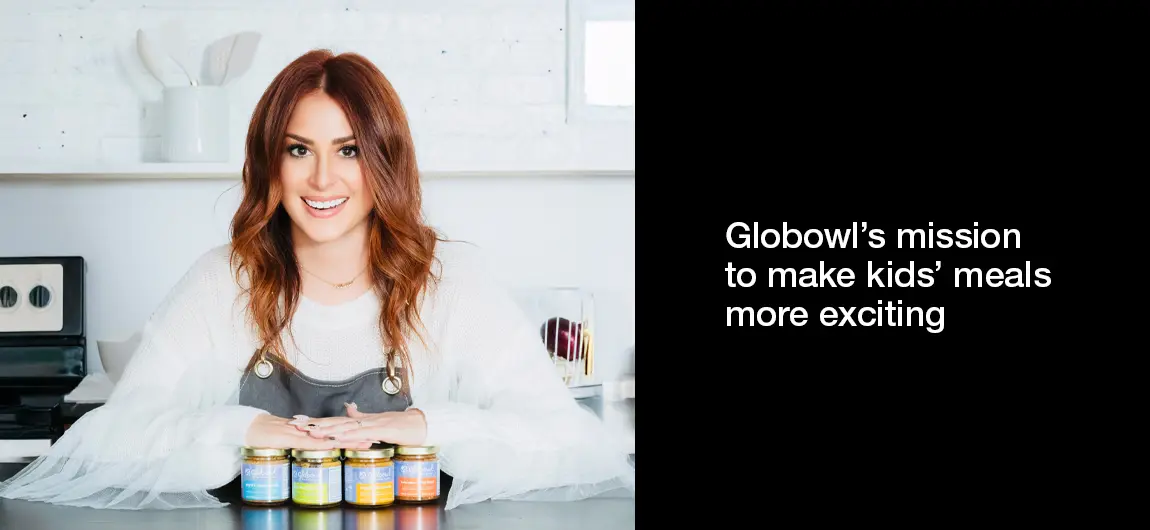
Erica Levin is a serial entrepreneur, having started three businesses in her life. During the pandemic, while her daughter was starting to eat solid foods, Erica decided to start making her own baby food that incorporated flavors from around the world and introduced allergens early. From there, she has built Globowl, a baby and toddler food company with a mission to inspire adventurous eating for life.
View transcript
Baby Food Company – Erica Levin, Globowl
[00:00:00] Sanjay Parekh: Welcome to The Side Hustle to Small Business Podcast, powered by Hiscox. I'm your host, Sanjay Parekh. Throughout my career, I've had side hustles, some of which have turned into real businesses, but first and foremost, I'm a serial technology entrepreneur. In the creator space, we hear plenty of advice on how to hustle harder and why you can sleep when you're dead.
[00:00:22] On this show, we ask new questions in hopes of getting new answers. Questions like, how can small businesses work smarter? How do you achieve balance between work and family? How can we redefine success in our businesses so that we don't burn out after year three? Every week I sit down with business founders at various stages of their side hustle to small business journey. These entrepreneurs are pushing the envelope while keeping their values. Keep listening for conversation, context, and camaraderie.
[00:00:56] Today's guest is Erica Beth Levin, the founder of Globowl. A baby and toddler food company that strives to introduce young children to a variety of flavors from around the world. Erica, welcome to the show.
[00:01:09] Erica Levin: Thank you so much for having me, Sanjay. I'm very happy to be here.
[00:01:12] Sanjay Parekh: So I'm excited to have you on as well because honestly, we have very few food entrepreneurs and I don't know that we've ever had anybody. From kind of the child, toddler space in food. So I think we're gonna get into some really interesting kind of topics and discussion here. But before we do, give us a little bit about your background and what got you to where you're today.
[00:01:33] Erica Levin: Yes. So thank you again for having me. I am a food entrepreneur, which is not anything I was expecting to be. I call myself an accidental entrepreneur to be honest. But yeah, this is my third startup, but my first in sort of a consumer product. My life though, has always been in around food. Starting from the very early days of my mom is Italian, my dad's Jewish. And food was a very big part of our lives.
[00:02:00] So it kind of just was always inherent in me. And by the way, those cultures are just so similar. I mean, it's all surrounded by food, family, love. Right? And so I, that was inspi, my parents inspired that in me from the beginning. So yeah. Then my first job, I went to Northwestern University and decided to stay in Chicago and started my first company very early.
[00:02:20] We had no expectation of doing that either. But you know, there's something really good about starting a company very young because you really don't. You don't know enough. If you knew enough, you wouldn't do it. And you also have, you don't have a lot to lose at that point. Right. So at that point in my career, in my life, you know, I didn't have a mortgage, I didn't have kids, I didn't have a family, you know, so it was a very good time to start that.
[00:02:42] But I got the bug and I loved it. And I built a company from nothing. And it became. The largest online magazine for women in Chicago was very well read. But we covered a lot of food restaurants, you know, what to do, where to go, and brought this community of women together. And that led me to my second company where I was a founding employee. So I think one of the first 10 and I launched the Chicago office and the whole app and everything for a company called Reserve. Which was a restaurant technology app. So again, in the food space, and that actually sold to Resi and Resi sold to Amex. So it was an interesting experience to be part of a venture backed business like that.
[00:03:20] And then here I am the third, which I said I wasn't gonna do unless I was like very much called to do something again. And I couldn't say no when When this idea popped into my head during COVID, when, you know, we couldn't leave the house, let alone, you know, travel, right? And my daughter was starting to eat solid foods and I wanted a way to bring the world to her so that she would enjoy it, become less picky, you know, be a more adventurous person and eater.
[00:03:47] And that was the impetus. And then I went down a rabbit hole of research and. And just realized there was nothing like it. And that kids all over the world just eat what their parents are eating and they're not picky eating kids with food allergies and we have a big problem here in the US so I just, yeah, I got right to it. And here we are. It's been about four years.
[00:04:04] Sanjay Parekh: Yeah. It's it's funny this kind of journey that you talk about here, because I think this is true of a lot of us. Yeah. Especially those of us that start young, we become accidental entrepreneurs and then Yes. End up falling into it and loving it and then it just gets into us.
[00:04:19] And I'm actually not very surprised at all that you're doing a third one, and I know there's probably gonna be a fourth and fifth one, even though you're gonna be saying like. And never again. This is gonna be the last one. And yes. That's just not how we work. Right. I know we can't help ourselves. It's when we see these problems, it's, so, let's talk about that. Let's talk about this latest business then. Yes, please. And what problem did you see and how did you kind of decide to go all in and do this?
[00:04:45] Erica Levin: Yeah, great question. I mean, I saw a total lack of sort of innovation in the baby food space.
[00:04:51] Everything that I saw, I, I homemade all of my food for my, both of my kids. And one of the reasons was because I couldn't find anything that I really wanted to feed them. Right. The everything is served as like mushy, bland, purees and single use plastic pouches. I mean, that is really what you look at when you look at the baby food aisle.
[00:05:07] And I know that kids can have flavor, they can have. Spice not spicy, right? But they can have spice, they can all have all of these things. And my pediatrician had told me she's Indian. And she goes, my, I grew up eating all of the spice, all of the Indian food, all the curries, and you know, that's what I'm doing with my kids.
[00:05:23] And she's a doctor, so I should listen to her. Well, I didn't listen to her with my son, and he is a very picky eater. And I said, I'm just not doing that again with my daughter. And so I started feeding her what we were eating. And one of that her first meal was coconut curry was shrimp, which is just crazy.
[00:05:38] But then I'm thinking, but I wanna introduce the allergens. Right? So, so that's kind of how it, it started. There was nothing on the shelf that introduced allergens intro, introduced flavor, not to mention texture. Kids should not be drinking their food, you know, out of a pouch. They should be.
[00:05:52] Learning to chew it. So these pouches have actually caused a lot of problems. They've caused obviously picky eating, but texture aversions, they, they're sterilized of all allergens. So, you know, kids in America have been having this, it's an epidemic like the food allergy situation, and kids aren't learning how to chew properly.
[00:06:08] Even dentists say they've never seen so many cavities and kids under one because, and since the pouches, because the contents of the the pouch kind of sit on these kids' teeth. Oh. So there's a lot. Speech is, you know, can be delayed. There's a lot. So yeah. So here we are. I create, I just, basically, I'm doing what the rest of the world does and putting it in a jar, right? A glass jar that's clean and plastic free and kind of doing what everyone else does except here.
[00:06:34] Sanjay Parekh: Yeah, I mean, that, that is so interesting. And it's funny too because my wife and you would probably get along because she did a very similar thing where she made stuff at home because of concerns about all the preservatives and all of this kind of stuff that is in this food. And it's like, well, the food that, you know, we as adults, like we can eat whole foods and, you know, we get the vegetables from the store and everything. So she would make stuff at home as well. So it, and it's interesting, and I think you're at this kind of interesting intersection because. The reason why a lot of these things are done is because of convenience, right?
[00:07:07] Because our lives are so busy and so we're just trying to make parents' lives easier by giving them an easy way to feed their kids. And so you're taking a very different approach to that. So talk to me a little bit about why do you think that didn't exist from other players in the market and it took somebody like you to come in to solve that problem.
[00:07:27] Erica Levin: That is that I wish I had the answer to that. You know, my, You know, the American Academy of Pediatrics did come out with a re a recommendation to not give your kids allergens. Okay. This was a very long time ago, right? Yeah. And I think at that point they had to make changes, right? So everything became just very sterilized, very sanitized. I think the pouches were absolutely made for convenience, and I understand that, you know, as a busy mom, a working mom, I like being able to throw something in my bag. So what I was able to do with this food, because we use all natural ingredients, it's all organic. I mean, we use everything from, you know, tamarind to basil, so.
[00:08:05] I never thought we could make it shelf stable, you know, because it, I but I was adamant about that I need it to be shelf stable for the convenience factor, right? But I will not add anything unnatural, any preservatives, you know, nothing artificial. So we were actually able to get them to be shelf stable with natural preservatives, you know, acids and things like that.
[00:08:23] And of course the process of cooking and heating it. And so I do think it still has the same convenience. It's just much better for you. It's nutrient dense. These are full meals, you know, not six apples pureed into a pouch. They are, I mean, they're textured and kids are learning how to chew, right? They're learning those important oral motor skills. They're getting their allergen introduction. In, and we know that they're not consuming microplastic. Yeah. So it's, I do, as long as we had the convenience, I knew everything else would resonate as long as that convenience was there. Yeah. And so that's kind of how it, it went.
[00:08:55] And it's funny because the original, the stalwart, you know the OG of baby food is Gerber. Right. And that's actually in glass jars. They're the only ones that have really maintained that. Yeah. Which I find funny because every new brand. Especially knowing all we know about plastics and not only the environment, but the consumption of them. I'm quite shocked, you know, how much of baby foods over 70% is in plastic pouches.
[00:09:21] Sanjay Parekh: Yeah. Yeah. It's so fascinating. Okay, let's talk about the business itself. So, you know, you went from doing a magazine I know, which is a very different business than doing a food business. So how did you get this up, off the ground, like you decided you wanted to do this, like. How did you get going to figure out how to build this and make this and ship it and sell it, and all of the things that go into it?
[00:09:43] Erica Levin: It is the hardest thing I've ever done by far. Yeah. Like starting a business at 24 with zero experience, no money or anything was easier than this. Yeah. Because this relies on a supply chain, right?
[00:09:55] It's not a, you know, a tech situation where I could just build a website on Squarespace. Although at the time Squarespace wasn't around, we had a custom design in WordPress. I think starting a product company of food, a consumer packaged good of any kind, relies on more than yourself. Right and I'm not really accustomed to that. With my first business, I could do everything on the backend for the most part. Of course, we brought in contractors, but I need a manufacturer, which is a coup in and of itself, because no one wants to take a chance on a brand new brand. We don't hit the minimum order quantities like it's a whole thing Plus.
[00:10:27] Every co-manufacturer facility is able to do different things. And we need, we have a lot of requirements because we have allergens in our food. We are in glass, we, you know, they have to have a certain filler. Right. So it's like the whole thing. Yeah. So finding a manufacturer, you know, sourcing material glass, and we had to source glass during COVID, which is actually, I don't, if you're not in the business, you wouldn't know. But glass was very hard to find, like martini glasses, restaurants couldn't get wine glasses, martini glasses, like, because I have a lot of friends in that. Space. And they're like, you're gonna do glass? We can't even get glass for the bar. But managed to make that work, you know, and then you have to rely on others to help develop the recipe so that they in fact can be you know, sold.
[00:11:07] Right. So it's not just me cooking in my kitchen and putting them in. Right. There's certain things that have to be done to ensure that the food tastes good and can be preserved. Right, right. In a natural way. So, yeah very hard. I mean, To answer the question of what did I do? I mean, I just did a lot of research. This is pre-chat, GPTI wish I had chat GPT now but did a ton of research, you know, and then I started kind of involving myself in all of these communities online, you know, that talked about CPG and other founders that are doing it. People gave me time, you know, and I always try to give back and give time when people wanna talk to me.
[00:11:42] But, you know, people that have done it had gave me a lot of time and really helped me kind of get things off the ground. And I have a very strong advisory board. Yeah. Very strong. Like from the head of Gerber North America to the founder of Halo Top Ice Cream. So I really have been able to use sort of the last 20 years of my career to meet people that are in this space.
[00:12:04] Sanjay Parekh: Yeah. Was there anything that made you nervous about going down this path and trying to start this company?
[00:12:11] Erica Levin: Everything. Everything.
[00:12:13] Sanjay Parekh: How did you get over that?
[00:12:15] Erica Levin: Well, I talked to lawyers, right? because like that was the number one thing. This is baby food, right? My number one concern is the health of these, the health and safety of these babies and these children. So that was definitely a concern, but why should I not do it when I know I'm putting the healthiest option out there? When everyone else is right, everyone else is doing it, you know, or everyone else that has, you know, a brand has figured out how to do it. You know, so, so getting advice on that front.
[00:12:40] But yeah, the whole thing made me nervous. It's also a very cash intensive business. You need a lot of capital upfront. That's terrifying when you have two kids and a home and, you know, like and during COVID job security was really. You know, not there so much. So this was really scary. So there was a lot of nerves about it all. But again I knew it had to be done. Yeah. And so here we are.
[00:13:05] Sanjay Parekh: But it how much funding did it take to get this kicked off? And where did you find that money? Was it your own, was it outside?
[00:13:10] Erica Levin: Yeah, some of it was definitely my own, my husband reminds us of that. But you know, that's how much we believed in it though, you know, I've never actually invested my own money in a business, so this was a big thing for us. I raised about 600 K to get things off the ground, and that lasted quite a few years. I've now raised in total a million, but it's crazy. Like launching a CPG company with under a million dollars is some sort of extra crazy because. You need so much capital upfront to have inventory. But to answer the question about how did I raise it or where, again, third startup, so I do have a lot of kind of, you know, network or connections in that space.
[00:13:51] So it was a lot of angel investors in my, you know, hometown community where I built my first. Two businesses. So angels and friends and family, and that's how we did it. Oh I also went through the Techstar Techstars Accelerator and they, that they invest money and obviously time in you. Right. But I, no one understood why I was applying for Techstars after my third company. I'm like, because this, Is the company I was meant to build. Yeah. And I wanna go back to the fundamentals, right? Like the way I built a business plan in 2008 is very different than building a business plan. Or now it's like 10 slides, right? I mean, you have to have everything to back it up, but it's very different. And so I wanted to make sure I was prepared and that I had a foundation to start this and do it right from the beginning.
[00:14:38] Sanjay Parekh: So that's so interesting to me because first of all, Techstars. A lot of the businesses that go through that are tech oriented software as a service. Yes. Yes. Businesses. The fact that you're a CPG, was this a Techstars version that was just for CPG or.
[00:14:53] Erica Levin: It's not at all. And I, okay,
[00:14:55] Sanjay Parekh: Interesting.
[00:14:56] Erica Levin: I had a friend go through the program and I go, I didn't know they did CPG. And then, you know, I reached out to the Chicago Techstars and I said, can a CPG company apply? My friend did it. And they said, we don't invest in just tech companies. We invest in companies that we think are gonna give us a return. You know, so if that's what you have, then sure we'll put in, you know, the money and the time. Yeah. But yes, it is primarily tech. They do have a, like, I think they have a food and ag
[00:15:23] Version of one. Yeah. And you know, they have remote versions and stuff like that, but I went through the Chicago one because that's my startup home. And and it was wonderful. It was a great experience and I really did get back to the basics and I implemented that plus all the mistakes I learned the first, you know, couple times. And I've made a lot less mistakes, but I've made different kinds of mistakes. Like CPG is its own beast, right? Yeah. So there's certain things you can't really be prepared for. So I'm definitely learning a new set of skills and getting to use these mistakes and what I learned, I guess, in the future. But it's, they've been less than in the past.
[00:16:02] Adam Walker: Support for this podcast comes from Hiscox committed to helping small businesses protect their dreams since 1901. Quotes and information on customized insurance for specific risks are available at Hiscox.com. Hiscox, business insurance experts.
[00:16:23] Sanjay Parekh: Let's talk about that for a minute. So, I mean, I think all of us as entrepreneurs, that's basically the journey that we're always on, right? You're always going to be making mistakes, right? The goal is just not to make the same mistake twice over even Yeah. Not over and over again. Yeah, definitely. Either in the same business or in different businesses. So, looking back on kind of this kind of history with Globowl is there anything that you like, look back and be like, oh, now that I know what I know, I would've done this piece differently and it would've changed the trajectory. In this way?
[00:16:52] Erica Levin: Yeah. Yeah. I mean, we're still, so I said I've been working on it for four years, but we've only been selling in store for a year and a half, so I only have really one full year of data. Yeah. Under our belt in terms of our selling story and our velocities and things like that. But I can say. Yes. I could still say, you know, even leading up to selling into retail that there are things that could have been done differently.
[00:17:15] Right. The the initial investment in inventory, right, bill actually producing the product probably could have been less. I think what we did was we we did more inventory than we needed from the very beginning where we could have done smaller runs, right? Which would've would, which would've helped because there is a shelf life on the products, right?
[00:17:35] So the longer they sit there, the closer they get to expiration. So there, there's really no reason to hold onto all of, like a ton of inventory. If you have a quick sort of production schedule with your coman, or even if you do it yourself, then you can pick and choose when you do it. But, you know, let's just say it's a two week lead time to get a production on the calendar. Great. Like, you don't need to. You don't need to do 200,000 jars at the very beginning, you know, do 50,000 at a time, you know, stuff like that. But the biggest lesson I learned from, I would say my first company and what I now will implement forever is I think I know you, you said you're running your business with a partner, but I had a very bad partner experience and so on my first time around, I mean, stole a lot of money.
[00:18:19] There was no trust, you know? Yeah. It was a very hard situation, and it just told me that you don't go into business with someone else if you don't know them Well. Yeah. And there's no trust. And unfortunately I didn't trust my gut. I knew this person pretty short, a pretty short amount of time and my gut told me something was off and I didn't listen. And it really made for a very stressful eight years. And even though I have a different kind of stress in this company, it's. I mean, I'm intrinsically a happy person doing this, you know, and I look back and I realize I wasn't at, you know, at that time. So, you know, just listen to your gut. I think that's an ongoing mistake that a lot of people make. And at this stage of my life I don't ignore it anymore.
[00:19:04] Sanjay Parekh: Yeah. And I think there's two groups that are very important, right? It's co-founders that are going in with you. Yeah. And if you're taking investors Yes. That's the other group. Yes. Like, you've gotta be really sure about both of those two.
[00:19:15] Yes. And I think. I've seen this time and time again where people don't trust their gut now, and I'm, I know guilty of the same of course, mistake as well. I've had co-founders as well as investors Yes. That I've known that have not been good, and then have definitely turned out to be not good. Yep. And I could have saved myself a lot of pain on the front end. I know. Yeah. I will be, I'll tell you one thing I'm really proud of. I also, I have turned down investment money, which I have also never done in my life. But if I felt that feeling. I'm like no. It's too long term of a relationship. There's too much at stake. I'm not doing it. And so I actually turned down hundreds of thousands of dollars because I wasn't prepared to make that commitment.
[00:19:55] Erica Levin: So I agree. Listen to your gut, you know, listen to your own morals, like your own compass. And, you know, make those decisions from the gut.
[00:20:04] Sanjay Parekh: Well, and also one piece of advice I always give other entrepreneurs is ask around to other entrepreneurs Yes. Who have taken money.
[00:20:11] Erica Levin: Yes.
[00:20:11] Sanjay Parekh: From some of these investors. I mean, there are investors that I have had in the past. I would rather shut down and burn down my company than take their money ever again. Me too. And I freely give that advice to other entrepreneurs if they're asking me about those people. Oh yeah. You know, obviously it's just one person's perspective.
[00:20:28] I know I might not be right. Maybe that was my experience. Maybe that's not who they are. Yeah. But it's useful, I think to get that advice from other folks.
[00:20:36] Erica Levin: Well, it's funny, it's so cute because, you know, investors have to do their due diligence on you. Do they not think we should be doing our due diligence on them?
[00:20:44] Sanjay Parekh: Yeah.
[00:20:45] Erica Levin: Like, that's cute, but I'm gonna do my due diligence too. So, you know.
[00:20:49] Sanjay Parekh: Exactly, ex Absolutely. Always do your due diligence on folks you're working with. Absolutely. Okay let's talk about just the food space. Know, this is an area Where a lot of people, I think almost everybody and maybe it's because we've all watched The Bear Hulu.
[00:21:07] Erica Levin: And that's Chicago too. It's Chicago. It's cool for me to watch.
[00:21:10] Sanjay Parekh: Exactly. Exactly. Like we all think that we can be restaurateurs or be in the food business or things like that. Like what advice would you give to somebody that's actually actively thinking about going into the food space other than just don't do it and run away? Right. And don't, you know, other than that, like what advice would you give them?
[00:21:27] Erica Levin: So I can't speak I can speak to the restaurant space because I have been in it. I've been a food writer for 15 years, like professional food writer, and my husband has run restaurants for his entire career. So I do have some thoughts on it, but I'll speak to the other side of the food business.
[00:21:41] Like restaurant margins are terrifically tiny. I mean, bordering on non-existent, right? And you would, some people think the same about CPG and that can very well be the case. So I think you need to. You need to understand the unit economics. I hate, I don't like saying all these business school words, but like it's a, you know, it's true.
[00:22:02] You really need to nail that down. And you know, at the beginning it was like, well, let's just get it out there. Like, I'm willing to spend money to get it out there and encourage trial and all this stuff, and that is okay too. You know, there's different paths to take. That's the thing. There's no right or wrong way to do this, but I do think that nailing those unit economics, or at least having a, like a path, you know to really good strong margins is so important right from the beginning because it can sneak up on you. What I didn't, what I didn't realize in this business, in grocery, let's say, you know, food and grocery is how much investment you have to make in trade and promotions at the store level. They like, you know, you go to Publix or you go to Whole Foods or Wegmans or wherever you go and you're like, oh it's buy one get one or BOGO or whatever. Oh, that's so nice of the grocery store to encourage us to sell this. No way. The brand takes that whole hit.
[00:22:56] Right? So you have to be able to account for that, you know, in your unit economics at. And all of, you know, just in your whole business model which was something that I had been advised of from the beginning. because I really did try to surround myself with really smart people who've done this, but you don't really get it until you're in it.
[00:23:16] So that's one thing you know to be careful of. But yeah, nail those unit economics. Make sure you're staying true to the, quality, right? Of the brand that you wanna put out into the world. Like I would not make compromises on ingredients. It was like, no, you're using this tamarind, no, you're using this version of fish sauce. Fish sauce. You know, like you can't skimp.
[00:23:38] Sanjay Parekh: Okay. Let's talk about kind of what your plans are. You've been doing this now for, well, you said a year, kind of in retail, year and a half. Do you have a vision of where this is going? Like, what has Globowl become? Does it just, is it new meals? Is it restaurant, is it, you know, retail expansion, like. Is this something that maybe you do buy at? Like, I just said that, and I'm like, maybe that's an idea. You buy this when you go to the restaurant. Like you have a meal for you and a meal for the kiddo. Yeah. Right. Yeah, I would love that.
[00:24:08] Erica Levin: Yeah. I think there's a food service aspect to it. I think that's down the road.
[00:24:11] You know, phase one or one and a half or whatever we're in now is really focused on retail and just you know. Basically penetrating the natural and organic channel first. You know, that's because that's what we are. We're an organic product. It's a premium price point. We look forward to getting that cost down, but it's still much more for, it's the same price.
[00:24:30] If you think about it. 75% of people have more than one pouch at a time. These pouches that are equivalent to ours in terms of organic and sold at the same stores. Right? I mean, they can be 2 99, 3 99 a pouch, right? Yeah. And they, and every kid has more than one. Oh, well, 75%. So, you know, and then some have more than that.
[00:24:47] So the natural channel, the premium channel we really wanna get, we wanna have mass sort of distribution there that make our way into more of the conventional stores, you know, the Publixes and the HEBs and the, you know, the big, you know, the ones Jewel. Yeah. And all of that all over the country. But also like, we really we've built a brand, like people are resonating with the brand itself, which is. We wanna introduce flavors from around the world to kids from the very beginning. And yes, we do all these wonderful health things, but we're also introducing them to culture. Right? Right.
[00:25:21] We're, from the very beginning, we're getting them invested in other people, places, cultures. And I just think when kids are exposed. You know, to diversity at such a young age they just become bigger thinkers. They become more accepting people, they become more curious and tolerant. And so that's the mission. Like this is a very mission driven brand. So I think that resonates and we've really become a resource for a lot of parents too. Like, they read our blog and we help them, you know, we help introduce them to solids and, you know, so really becoming somewhat of a, you know, a feeding community, you know, for parents about all things kind of feeding and food and teaching kids how to get into the kitchen, you know, or teaching parents how to get kids in the kitchen, I should say.
[00:26:05] Tips and tricks on, you know, how to introduce foods, like, you know, really becoming a resource in that way too. But yes, of course we're gonna launch new flavors. We've already launched two new ones in the past year, so we started with four. We have six. So we'll be continuing to do that. We are this is not announced, but we are launching a product that has never been done before in baby, and we already have a brick and mortar retailer and an online retailer exclusively going to carry that.
[00:26:30] That'll be at the end of the year, maybe Q1 of next year. And then, yeah, we wanna evolve with the life of the child, you know, like I don't wanna have a lifetime value customer of like. I don't know, six months or 12 months. So we need to evolve with the life of the child. Once we get, we spend too much money and time trying to gain a customer. Right? Right. I don't wanna lose them that fast. So we know that snacking is in the future for us and then, you know, we'll see from there.
[00:26:57] Sanjay Parekh: Yeah. So you touched on something that I think is interesting and let's pull the thread for a minute. You talked about mission oriented business and how you are a mission oriented business. Very much so. Talk to me about that, and how do you think about that and how do you recommend other entrepreneurs that are running side hustles or small businesses to think about their mission as a part of their business?
[00:27:19] Erica Levin: Yeah, I mean, listen, I don't see why anyone would go into something without a mission, right? This is this world of entrepreneurship or building a business from the ground up and raising money. Like there it's tough. And if you are just doing something because you wanna see an ultimate acquisition or something at the end, to me. Your customer knows that. I don't know, there's something inauthentic about it.
[00:27:40] So I just personally don't understand going into, like even with the company that I was a first employee for, I believe deeply in the technology and how it was restaurateur friendly, right? And that it was giving restaurateurs the option or the opportunity to increase their margins, right? So like there's always something that should be behind it.
[00:27:58] And then, I just, in every single aspect of the brand the colors, the design, the flavors, it was, I hearken everything hearkens back to our North star of, you know, is this celebrating diversity? Is this educating, you know, this child, is this introducing something? Well, obviously healthy and new in an effort to, you know, encourage this child to enjoy the wonders of the world, you know, starting with food. And so everything hearkens back to that for us. So I would say, you know, if you're going to move in a mission driven direction that only do it if it's something you actually care about.
[00:28:38] Right? Don't just like come up with a mission to say you're a mission driven company, that people will know. People aren't dumb, you're not talking to dumb people. So yeah, so I would just say, you know, own it with your heart. Like really believe in it and live it, right? Don't just do it for business. Like I, I live this mission. And also yeah, that, because otherwise it's. People see through it and it's inauthentic.
[00:29:00] Sanjay Parekh: So, right. Yeah. Okay. Let's talk really briefly about balance because you are obviously the mom of a couple of kids. This is the reason why you started the business. How do you think about that?
[00:29:13] I mean, this is, it's a hard business, as we've talked about Yeah. To do a food business, right. It's not just, you know, like what I do all day long is typing on computers all day long, like this is a lot more involved in this. How do you think about that in terms of balancing life and business and like all of the priorities that exist? For you as an individual. Yeah. Between family and friends and kids Yeah. And everything else. How do you manage it? How do you think about it? Like yeah, talk to me a little bit about that.
[00:29:39] Erica Levin: I mean, it ain't easy, right? That is a, I think we all know man, woman, mom, debt, whatever. Like it's always going to be somewhat of a challenge. And I don't even know if that balance, you know, actually exists. But what I would say is there are two things. One, I love that my kids see me working hard. Period. You know I wanna instill the same work ethic that I have that my parents instilled in me in them. So I think it's super important for kids to, you know, have a good example of what hard work looks like and passion, right?
[00:30:08] Like, my, my kids live this mission too. They think it's crazy when like, someone doesn't think like that, you know? Which is, you know, I don't know, good or bad. But so, and then the other thing I would say is I can't speak to the friend thing. I mean, I can, but more importantly, like my kids are still young and so. Since day one, I have referred to this as our company. It is our business, right? They are part of it. It is not mommies, it is ours. And so, you know, my son has worked street festivals with me like, you know, four years ago when we were just kind of trying to get product market fit and talked to customers.
[00:30:46] He was there. I called my VP of sales, he comes with me to conferences. Like my daughter was a little young at the time, but by, I think, you know, in including them as part of it. There's you're not creating a divide. It's not right. A business versus them. And so even at dinnertime, they ask, you know, do we get into any stores today? Or, you know they're very invested in it. So I think by incorporating it into your life, instead of making it. Other or that you know, your life fa with families here and your business is here and they could, you know, kind of ha go head to head sometimes.
[00:31:19] Sanjay Parekh: Yeah.
[00:31:19] Erica Levin: Just I've incorporated it, but not to the point where it's like I'm always working. I mean, incorporated it so that there's familial sort of passion and ownership of it.
[00:31:31] Sanjay Parekh: Yeah. I don't know if you realize this, I've realized this with my kids, is that by them seeing me as an entrepreneur they basically feel like this is the only reasonable career path. Yeah. I think I have ruined all the children. Yes. For taking any other kind of career path at this point. So this is all my fault. I know. I agree. I don't know if you feel like that for your yourself as well.
[00:31:56] Erica Levin: I do. Sometimes I'm like, oh my God, the hustle and the this, it's like maybe they could do something more consistent or stable, but as of now, my son is eight. He's a black belt in karate and he wants to own a dojo one day. So I'm, So that is entrepreneurship. But also he has huge passion for karate. So we'll see what all comes of it.
[00:32:14] Sanjay Parekh: Yeah, you never know. Maybe he gets a movie deal and it's the next Karate kid and then you get a TV show after, which was fantastic. That's his dream. Yeah. There you go. There you go.
[00:32:23] Erica Levin: That would be his dream.
[00:32:24] Sanjay Parekh: Okay. I've got a last couple of questions for you here. Please. You know, if you could go back in time and do anything differently, I think we talked about a little bit ago, but talk about it kind of over the scope of everything that you've done since the very first startup, since 24. Oh gosh. All the years. Yeah. Is there anything that stands out to you like, oh yeah, this may, maybe not starting any of it at all and just Oh, yeah. Taking a regular eight to five.
[00:32:47] Erica Levin: I would say, well, I've done, I have, I've. Done that, but like, not for very long periods of time. Yeah. But it's not for me, honestly.
[00:32:55] I think I kind of, you know, the, some of the mistakes I made that we talked about, I mean, like just always listening to your gut. Like if someone tells you that this is the way this business has to be run. No, it doesn't. I mean everything like, no, that's just not how this works. You know there's. More than one way to skin a cat or peel potato, whatever you wanna say. And it's, I have to use a food reference, but, it's funny that you started with the cat and then you went drew potato, but I'm the would sound right. Why would I do that? I love animals too. But yeah, so listening to the gut, knowing that you probably do know best for your business, or at least for what the outcome is that you want for your business or for your day-to-day happiness to look like or your day-to-day productivity.
[00:33:35] And like I said, I would just. I would never do it again with someone else just because of my experience. But that's my thing. So yeah, the, I think the question is very similar to sort of like the mistakes I've made that I wouldn't make again. Yeah. But yeah I wouldn't say not do to do it. I at all, like, you know, I would say. Do it sooner rather than later. Though it was much scarier launching this than it was like I said in 2008, where I had nothing to lose. Right. So it's definitely something you should think long and hard about. And also I would say like, have stability of some sort before starting it.
[00:34:13] So like, you know, even if you're young, like save a little money first, you know, like, you know, even if you're young, like. If you're in a relationship, like set the expectations from the beginning because you're gonna be working all the time. Yeah. And your business deserves that. You deserve that. Your investors, if you have them, deserve that. So that just needs to be like, set up in advance, like expectations with any relationship, friendship, or otherwise, so.
[00:34:40] Sanjay Parekh: Right.
[00:34:41] Erica Levin: Yeah, I guess that sort of roundabout in a roundabout way answers your question.
[00:34:46] Sanjay Parekh: Yeah, absolutely. Erica, this has been fantastic. Where can our listeners find and connect with you online?
[00:34:52] Erica Levin: Oh thank you. I'd be happy to have that happen. So my social handles are all at Erica Beth and at the Globowl. TikTok is Globowl Foodie. And then we're available on our website, amazon.com and thrive.com and then in stores all over the country. Just check our store locator on the website.
[00:35:13] Sanjay Parekh: Awesome. Thanks so much for being on today.
[00:35:15] Erica Levin: Thank you so much for having me. This was fun.
[00:35:21] Sanjay Parekh: Thanks for listening to this week's episode of the Side Hustle to Small Business podcast, powered by Hiscox. To learn more about how Hiscox can help protect your small business through intelligent insurance solutions, visit Hiscox.com. And to hear more Side Hustle to Small Business stories, or share your own story, please visit Hiscox.com/side-hustle-to-small-business. I'm your host, Sanjay Parekh. You can find out more about me at my website, SanjayParekh.com.
Subscribe to our podcast



Did you start your business while working full-time at another job?
Tell us about it! We may feature your story in a future podcast.