Train to retain: A small business guide to upskilling and reskilling employees
In this Article:
- Why upskilling and reskilling matter
- Start by spotting your skill gaps
- Choosing the right approach to training
- Build a culture of learning
- How to start today
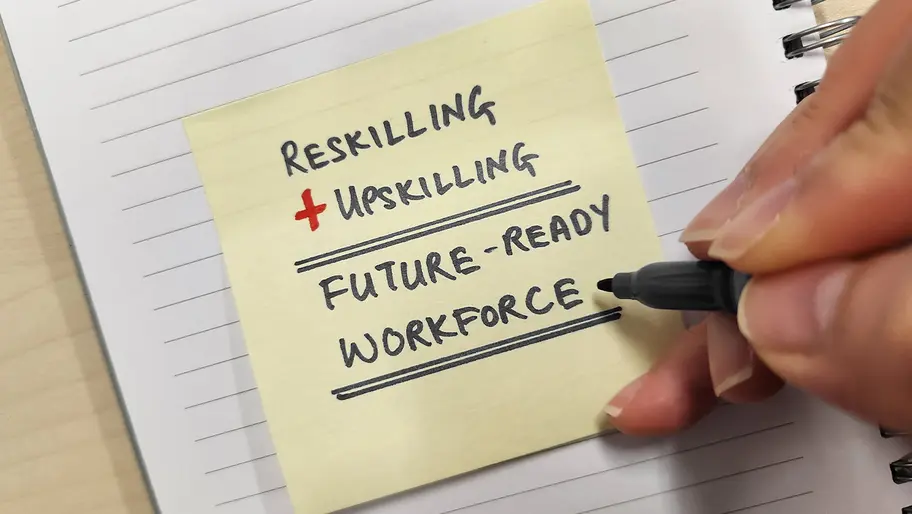
For any business, helping your team grow may be the smartest investment you can make. Upskilling and reskilling don’t just help employees thrive—they can also save your business time, money, and turnover headaches. And despite what big companies might suggest, you don’t need a huge HR budget to make it work.
Why upskilling and reskilling matter
The economy is shifting quickly. From automation and AI to changing customer behaviors, businesses of every size are feeling the pressure to adapt. This makes having a flexible, skilled team more important than ever.
At the same time, the cost of hiring and onboarding new employees continues to climb. So instead of constantly looking outward for talent, more small business owners are turning inward. When you train the people you already have, you’re not just filling a role: You’re building loyalty, improving performance, and showing your team that they have a future with you.
Upskilling is all about helping employees get better at what they’re already doing. Think mastering digital tools, refining communication, or brushing up on customer service.
Reskilling, on the other hand, means preparing someone for a new role entirely. Maybe your receptionist becomes your social media lead, or your cashier learns to handle inventory and ordering. Both approaches make your team more adaptable, which makes your business stronger.
Start by spotting your skill gaps
Before you can train, you need to know what to train for. Look at where your business is headed. Are you adopting new software or processes? Are you planning to grow your online presence? Are you exploring AI, e-commerce, or digital advertising?
Once you know your goals, think about what’s missing between where your team is now and where you need them to be. Maybe your employees need stronger data literacy, better content creation skills, or a firmer grasp on cybersecurity basics. These gaps don’t mean your team is falling short. Think of them as opportunities to unlock new strengths.
Choosing the right approach to training
You don’t need expensive consultants or week-long seminars to make real progress. There are countless affordable and even free options available today. Online platforms offer courses in just about everything, from Excel to email marketing. If someone on your team already has a skill others could benefit from, create space for peer-to-peer learning. Even a few hours a month dedicated to training can make a big difference.
Some businesses get creative with things like informal lunch-and-learns, rotating responsibilities so people gain new experience, or encouraging job shadowing between departments. Many tools and platforms also offer built-in tutorials and certifications that can help your team learn on the job. The key is making learning part of your everyday operations, not just an occasional add-on.
Build a culture of learning
Training works best when your team feels supported. That means more than just giving them access to courses—it means giving them time, encouragement, and recognition. Make it clear that learning is part of how you do business, and that there’s value in trying, growing, and even failing.
When employees see their efforts acknowledged—whether it’s through new responsibilities, shout-outs, or even small incentives—they’re more likely to stay engaged. And when learning becomes the norm, your whole team becomes more adaptable, curious, and ready for what’s next.
How to start today
If you’re wondering how to begin, keep it simple. Pick one area where your business needs help. Ask your team what they’re curious about learning. Find a free resource or create a mini learning session in-house. Set a short-term goal and see how it goes.
The sooner you start, the sooner you’ll see the ripple effects: stronger performance, deeper loyalty, and a team that’s ready to grow alongside your business. As your team levels up, your business evolves—often with new tools, systems, and responsibilities. But growth also introduces new risks. That’s why while you focus on developing your people, we’re here to help you protect your progress.
Whether it’s adopting new tech, launching online operations, or shifting roles internally, the right insurance (like cyber security coverage or general liability) ensures you stay covered as you grow.
Training builds strength. Insurance builds resilience. Make sure your business has both.
Related Articles

How to Hire the Best Employees
It’s always a big moment when a small business owner hires their first employee, and over the years, old and new staff alike can really help the business grow.
Read More
What every small business can learn from Jimothy, the viral raccoon
What can a viral raccoon teach entrepreneurs? Discover The Jimothy Effect and learn why memorable brands, authentic stories, and exceptional customer experiences help small businesses stand out.
Stand out
What can a viral raccoon teach entrepreneurs? Discover The Jimothy Effect and learn why memorable brands, authentic stories, and exceptional customer experiences help small businesses stand out.

Make August count: Key moments for businesses
August is packed with key moments for every small business. Discover five big August moments business owners shouldn’t miss.
August awaits
August is packed with key moments for every small business. Discover five big August moments business owners shouldn’t miss.
We provide tailored insurance for the specific risks you face, so you can take the right risks to grow your business.
Subscribe to the Hiscox Entrepreneurial Digest on LinkedIn


Get valuable business resources, timely tips and inspiring success stories in your LinkedIn feed every month.